
Pre CAR-T Testing
There are numerous tests that must be done to qualify individuals for CAR-T therapy due to its potential serious side effects. In my case, these were the tests that were conducted based on my health condition and blood test results at the time. Other individuals may experience additional testing.
My Pre CAR-T Tests:
- MRI — Baseline scan of brain to compare before/after CAR-T results in the event of neurological side effects. I don’t consider myself claustrophobic but I requested some medication (Ativan) to calm my nerves — this helped greatly.
- Vein Study — Visual examination of arm veins to determine if a Central Line would be necessary for T-cell extraction. The nurse also gave us an overview of what to expect on the T-cell extraction day.
- Kidney Function Testing — Ultrasound and tests to determine ability to empty bladder. This test consisted of urinating, drinking water, urinating again and an ultrasound. Blood samples were taken at several points during the test.
- Electrocardiogram (ECG) — A non-invasive test to measure heart electrical activity with electrodes placed on your chest.
- Neurological Exam — Physical exam, verbal questions and some written testing to create a neurological baseline.
- PET Scan — A pre-CAR-T PET scan to get baseline imaging of cancer location and FDG uptake.
- Biopsy — Depending on results and date of last biopsy, they may take additional biopsies. In my case, an additional biopsy was not required.
Collection (T-Cell Extraction)
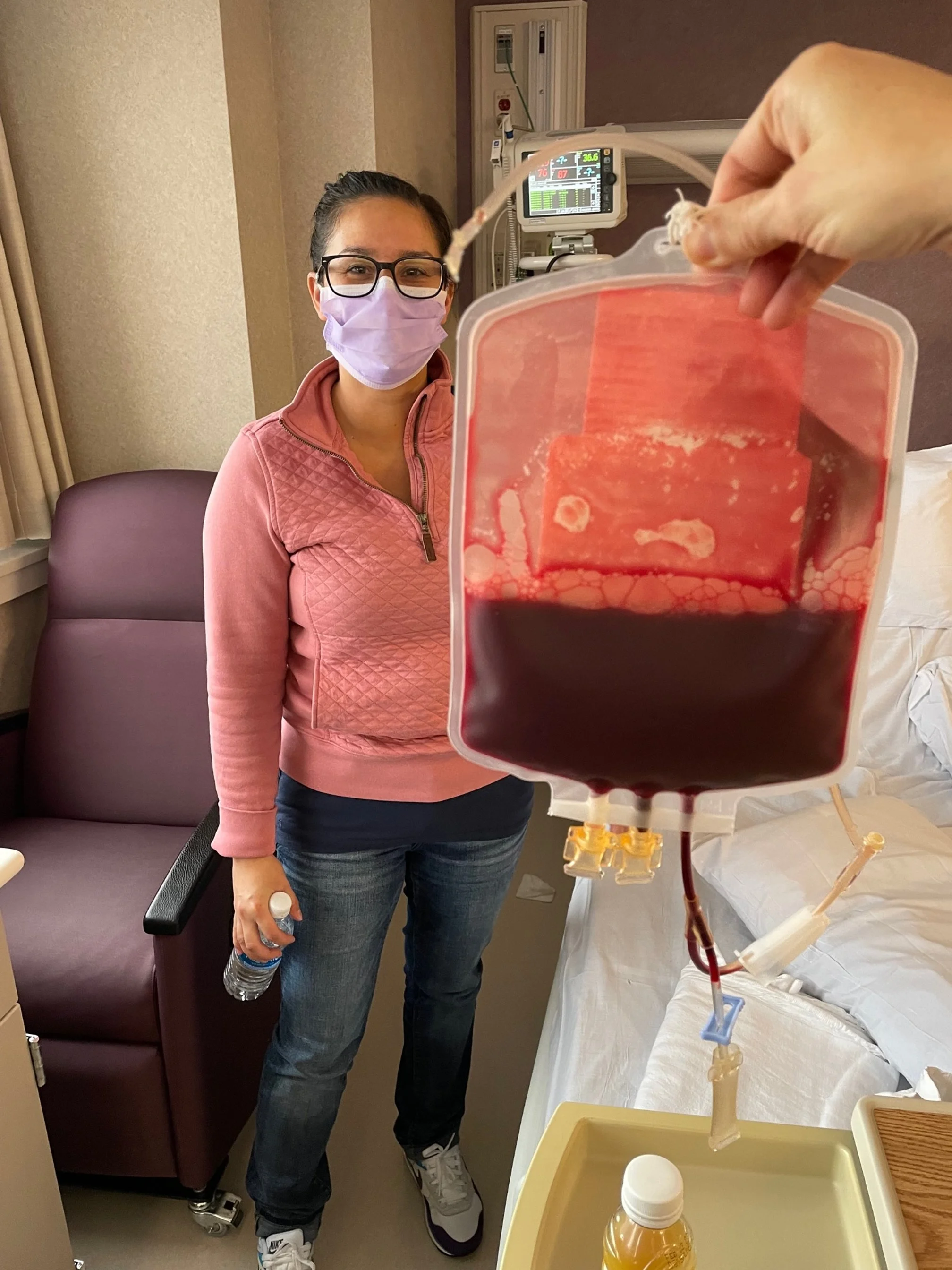
Once it was determined that I qualified for CAR-T therapy, the next step was collection of my T-Cells. In my case, I was going to be receiving the Yescarta CAR-T product made by Gilead — the product of choice for refractory Diffuse Large B-Cell Lymphoma (DLBCL). I was fortunate that this therapy was recently FDA approved for secondary refractory DLBCL where primary treatment with chemotherapy failed.
My vein study results indicated I would be able to undergo cell collection without a Central Line procedure. The needles used for collection are large bore needles and require good veins for the blood draw.
The procedure itself is similar to donating plasma. A needle is placed in each arm and tubing is connected to a centrifuge machine. The nurse placed a heating pad on my extraction arm to help with blood flow to the centrifuge, which also helped with needle discomfort.
All things considered, the process was fairly comfortable. After 6 hours they collected about 100mL of T-cells and had a plane waiting to transport them immediately to California for modification.
Conditioning Therapy (Pre-CAR-T Chemotherapy)
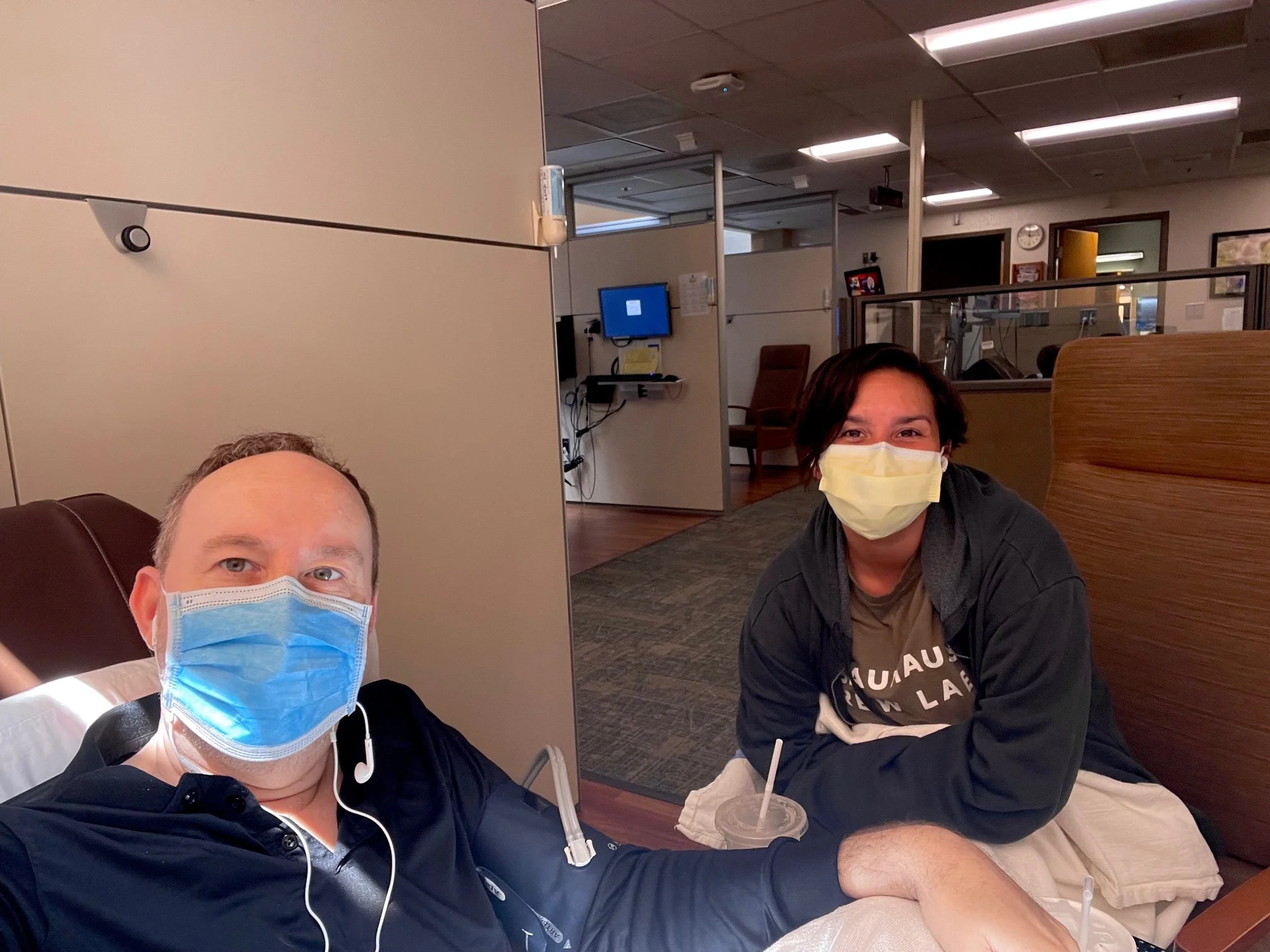
Prior to CAR-T infusion, my therapy required chemotherapy to “make room” for the return of my engineered T-Cells. This type of chemotherapy is not intended to treat the actual cancer but to deplete your immune system cells so the new T-cells can expand and proliferate.
I underwent a procedure to insert a Central Line a few days before chemotherapy. A Central Line is necessary prior to infusing the modified T-cells, as a typical IV needle is too small. Dealing with a Central Line is by no means a picnic, but it is a major advantage because of the amount of blood tests and IV medications required — it eliminates the need for endless IV pokes.
At this point, healthcare providers start to refer to treatment in number of days:
- Day -5: First day of Cytoxan and Fludara IV Chemotherapy, plus IV anti-nausea medication.
- Day -4 and Day -3: Chemotherapy repeated. Side effects were similar to R-CHOP — nausea and fatigue, managed well with Zofran and Compazine.
- Day -2 and Day -1: Two days rest. Daily visits to the infusion center for blood tests only.